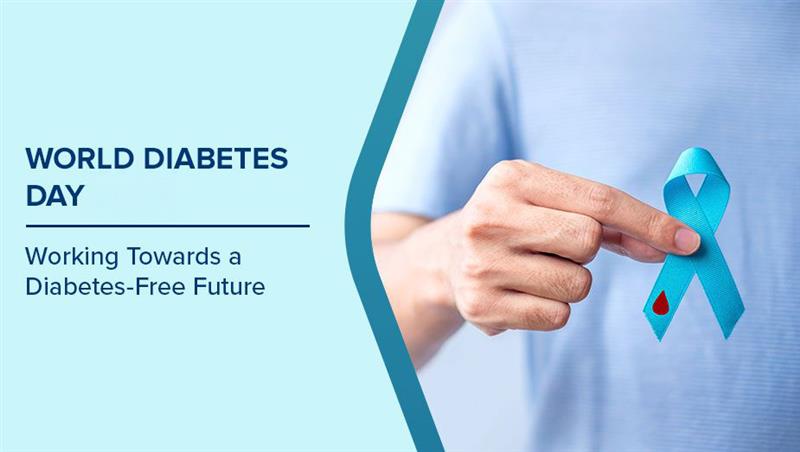
World Diabetes Day 2025: Breaking Barriers, Bridging Gaps in Diabetes Care
Every year on November 14th, the global community comes together to observe World Diabetes Day, raising awareness about a condition that affects over 537 million adults worldwide. This year’s theme emphasizes the critical importance of access to quality diabetes care, education, and support—elements that are fundamental to managing this chronic condition effectively.
Understanding the Theme’s Significance
The theme of World Diabetes Day highlights a sobering reality: despite medical advances, millions of people with diabetes still lack access to essential care, education, and affordable treatment. The importance of this theme cannot be overstated, it calls attention to the healthcare disparities that exist globally and emphasizes that diabetes management requires a holistic approach combining medical care, nutrition guidance, and ongoing support.
Effective diabetes management isn’t just about medication; it’s about empowering individuals with knowledge, tools, and accessible resources to make informed decisions daily. This is where integrated care approaches, combining technology with professional expertise, become game-changers.
The Foundation: Healthy Eating in Diabetes
Nutrition forms the cornerstone of diabetes management. Unlike many other chronic conditions, diabetes requires constant attention to what, when, and how much you eat. Every meal directly impacts blood glucose levels, making dietary choices critically important.
Key principles of healthy eating for diabetes include:
Understanding Glycemic Index: Not all carbohydrates are created equal. Low-GI foods like whole grains, legumes, and most vegetables cause gradual blood sugar rises, while high-GI foods create rapid spikes. Learning to choose low-GI options helps maintain stable glucose levels throughout the day.
Portion Control: Even healthy foods can cause blood sugar elevations if consumed in large quantities. Understanding appropriate portion sizes for different food groups helps prevent glucose spikes while ensuring adequate nutrition.
Balanced Macronutrients: A well-planned diabetic diet includes the right balance of carbohydrates, proteins, and healthy fats. Proteins and fats slow carbohydrate absorption, preventing rapid blood sugar increases.
Fiber-Rich Foods: Soluble fiber found in oats, beans, and fruits helps slow glucose absorption and improves overall blood sugar control. Aim for 25-30 grams of fiber daily.
Meal Timing Consistency: Eating at regular intervals helps maintain stable blood glucose levels and prevents dangerous drops or spikes. This consistency also makes insulin dosing more predictable for those using insulin therapy.
Hydration: Adequate water intake helps kidneys flush excess sugar through urine and prevents dehydration, which can affect blood glucose readings.
The challenge, however, lies in translating these principles into daily practice. Many people with diabetes struggle with meal planning, carbohydrate counting, and making quick decisions about food choices in real-world situations.
The Critical Role of Regular Monitoring
Blood glucose monitoring is the window into how your body responds to food, exercise, stress, and medication. Without regular monitoring, managing diabetes becomes guesswork.
Pattern Recognition: Regular glucose checks reveal patterns that occasional testing misses. You might discover that your morning readings are consistently high (dawn phenomenon) or that certain foods affect you differently than expected.
Immediate Feedback: Monitoring before and after meals shows exactly how different foods impact your blood sugar, enabling you to make informed dietary adjustments.
Preventing Complications: Catching high or low blood sugar early prevents both immediate dangers (hypoglycemia, hyperglycemia) and long-term complications (neuropathy, retinopathy, cardiovascular disease).
Medication Optimization: Monitoring data helps healthcare providers adjust medication dosages accurately, ensuring optimal glucose control with minimal side effects.
Empowerment: Knowledge is power. Understanding your glucose patterns gives you control over your condition rather than feeling controlled by it.
Modern continuous glucose monitoring (CGM) devices have revolutionized diabetes care, providing real-time glucose readings without constant finger pricks. These technologies, when integrated with smart applications, offer unprecedented insights into glucose patterns and trends.
The Power of Professional Guidance
While self-management is crucial, professional support from a multidisciplinary team significantly improves outcomes. This team should include:
Endocrinologists and Diabetologists: These specialists understand the complex hormonal and metabolic aspects of diabetes, prescribe appropriate medications, and adjust treatment plans based on your progress.
Certified Diabetes Educators (CDEs): These healthcare professionals specialize in teaching people with diabetes how to manage their condition effectively. They provide practical skills training on glucose monitoring, medication administration, recognizing and treating hypo/hyperglycemia, and lifestyle modifications.
Qualified Nutrition Consultants: Perhaps the most frequently consulted members of the diabetes care team, nutrition consultants translate medical dietary guidelines into practical, culturally appropriate, and enjoyable meal plans. They help with:
– Personalized meal planning based on your lifestyle, preferences, and health goals
– Carbohydrate counting and portion size education
– Restaurant and social eating strategies
– Label reading and grocery shopping guidance
– Recipe modifications to make favorite foods diabetes-friendly
– Addressing emotional eating and food-related challenges
Mental Health Professionals: Living with diabetes can be emotionally taxing. Psychologists and counselors help manage diabetes-related stress, anxiety, and depression, which can significantly impact blood glucose control.
The challenge has traditionally been access, not everyone can easily visit these professionals regularly due to distance, cost, time constraints, or availability limitations.
Nutrition in Your Pocket: Revolutionizing Diabetes Care
This is where “nutritioninyourpocket” transforms diabetes management. By bringing expert nutritional guidance directly to your smartphone, this innovative approach addresses the accessibility gap that has long hindered optimal diabetes care.
Access to Expert Advice: Instead of relying on hoax, you have qualified nutrition consultant available through your phone whenever questions arise. Wondering if you can eat that birthday cake? Need to know the carb count in your restaurant meal? Expert answers are just a tap away.
Personalized Meal Planning: We learn your preferences, dietary restrictions, cultural food habits, and glucose response patterns to create customized meal plans that fit your life. No more generic diet sheets that don’t match how you actually eat.
Conclusion: Taking Action Today
This World Diabetes Day, commit to taking control of your diabetes management. Whether you’re newly diagnosed or have lived with diabetes for years, there’s always room for improvement and new tools to explore.
Consider integrating a comprehensive nutrition app into your diabetes care routine. The combination of professional nutritional guidance, glucose monitoring integration, and 24/7 support can transform how you manage your condition, leading to better outcomes and improved quality of life.
Remember: diabetes management is a marathon, not a sprint. Be patient with yourself, celebrate small victories, and lean on the resources and support available to you—including the powerful tool of having expert nutrition consultation right in your pocket.
Living well with diabetes is absolutely achievable. With the right tools, professional support, and commitment to self-care, you can maintain excellent glucose control, prevent complications, and enjoy a full, healthy life. This World Diabetes Day, embrace the technology and resources available to you, and take charge of your health journey.
Your health is worth it. Your future is worth it. You are worth it.